Florida to British Columbia

Flordia to British Columbia, Arrival

From my Shipper:

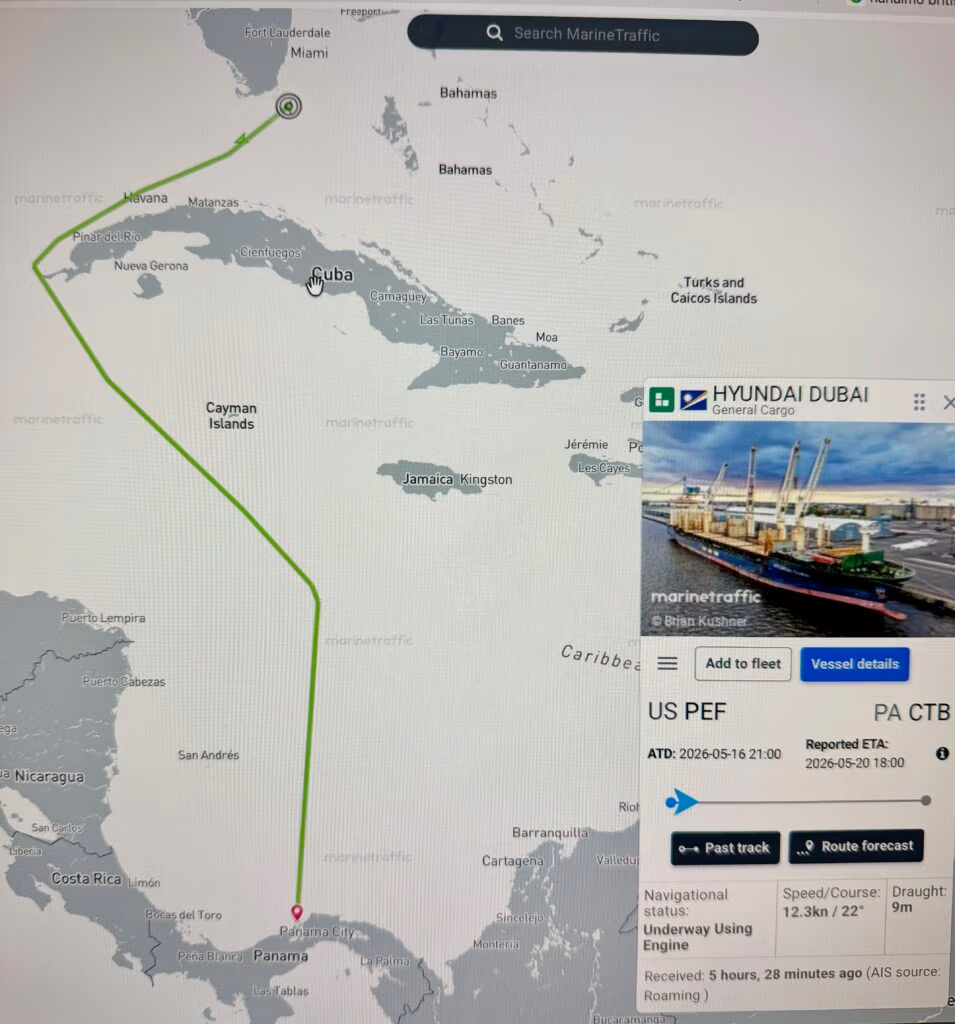
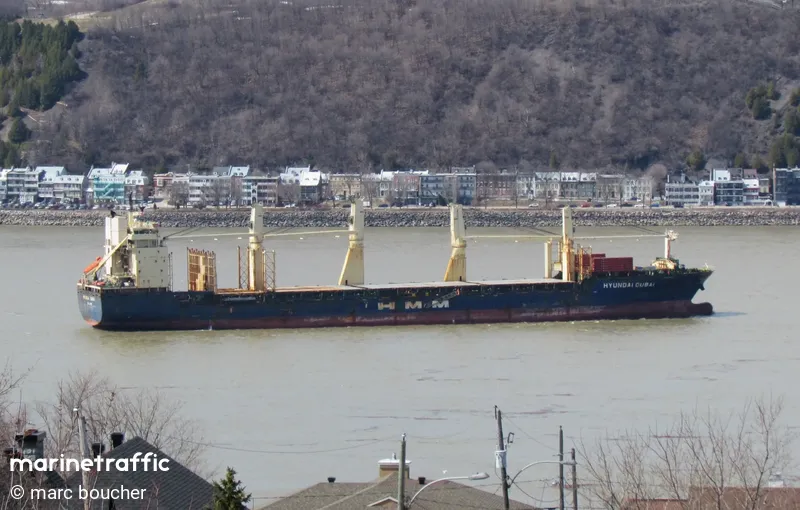
Please find below our schedule update for mv HYUNDAI DUBAI:

Loading is expected to complete tonight in Port Everglades all going well

ETA Panama Canal: 19-21 May (Canal transit is booked for 23rd)
ETA Golfito: 24-25 May
ETA La Paz: 1-2 Jun
ETA Ensenada: 5-7 Jun
ETA Nanaimo: 10-12 Jun

Above schedule is weather permitting, all going well, without guarantee

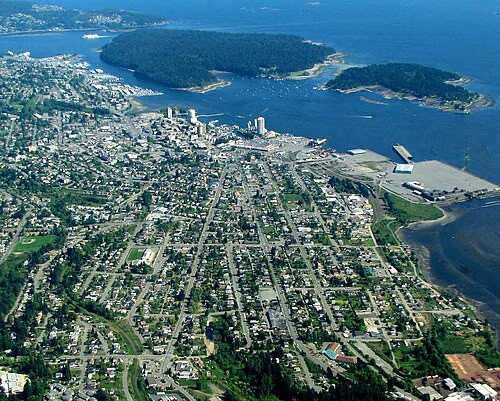
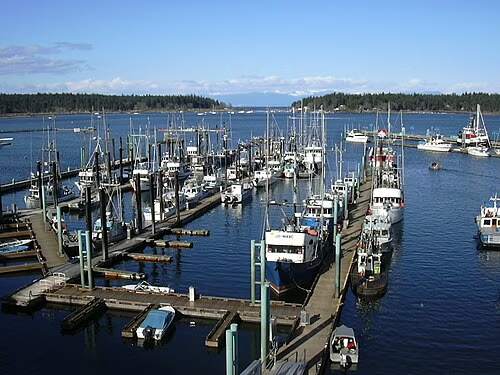
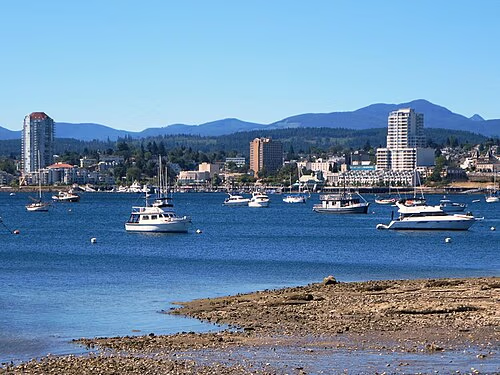
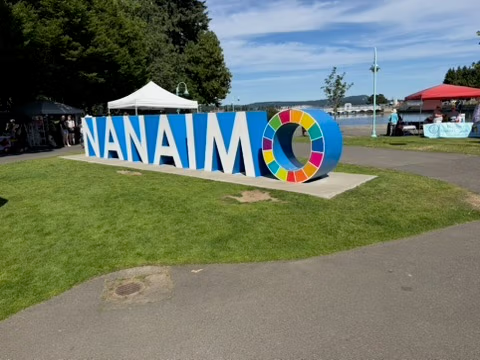
Nanaimo, British Columbia, Canada

Nanaimo, British Columbia, evolved from a small Snuneymuxw First Nation gathering place into a Hudson’s Bay Company coal mining outpost in 1852. Following a century of resource-driven growth, it transitioned into Vancouver Island’s modern “Harbour City,” renowned for its university, tech industries, and vibrant cultural heritage.
Indigenous Roots
The original inhabitants of the area were the Snuneymuxw First Nation. Their name, meaning “a big, strong tribe” or “gathering place,” was anglicized to become the city’s modern title. The Snuneymuxw have occupied the resource-rich heart of the Salish Sea since time immemorial, leaving behind ancient petroglyphs at sites like Petroglyph Provincial Park. 
The Coal Era (1850s–1950s)
  • Hudson’s Bay Company (HBC): After local Indigenous peoples discovered coal, the HBC established a settlement in 1852 originally named Colvile Town.
  • The Bastion: Built in 1853, this wooden fort protected early miners and settlers. It still stands as one of Nanaimo’s most recognizable historical landmarks.
  • Rapid Expansion: In 1854, the arrival of English and Scottish mining families permanently transformed the outpost. Nanaimo was officially incorporated as a city in December 1874.
  • Diverse Community: The mines attracted workers from all over the world, including a bustling historical Chinatown that relocated several times in the late 1800s and early 1900s to accommodate the city’s rapid expansion. Coal remained the primary industry until the last mine closed in 1953.
 
The Boom Years & Industrial Transition (Mid-20th Century)
As coal phased out, Nanaimo successfully pivoted its economy toward forestry, commercial fishing, and manufacturing.
  • The post-World War II era brought significant growth.
  • The opening of the Harmac pulp mill in 1950 created massive employment opportunities, drawing in new residents and swelling the city’s population.
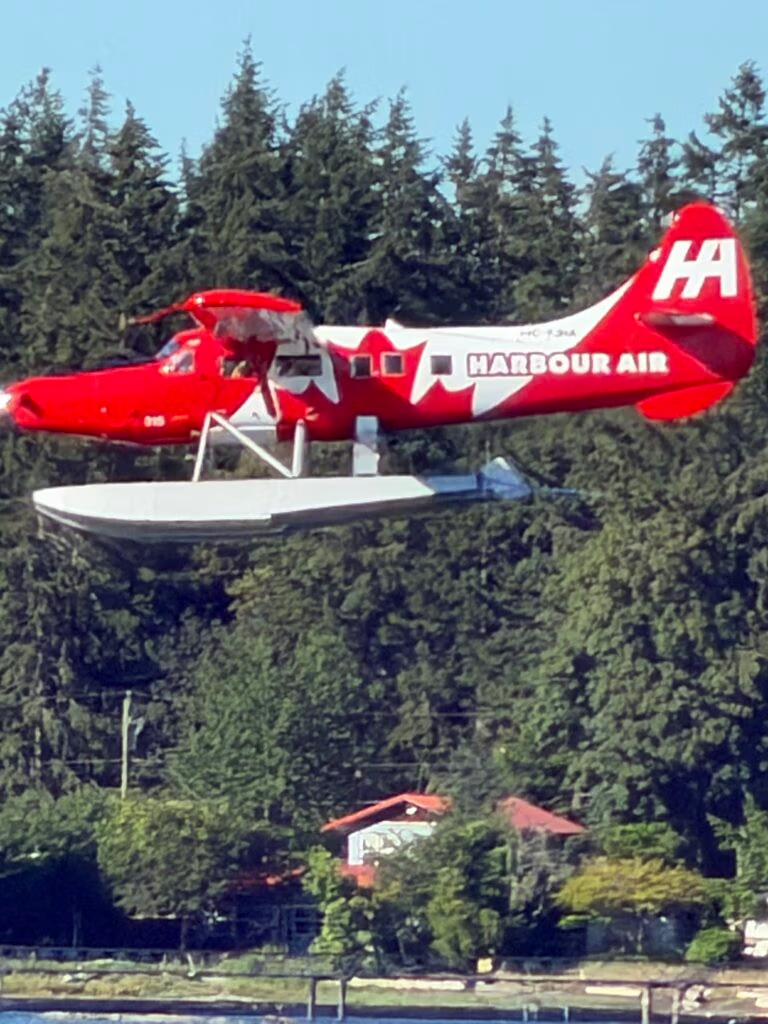
  • To support increasing trade and travel, Canadian Pacific Airlines established flight services in 1947. 
 

We left San Antonio on the evening of the 10th, slipping out after work and catching a flight to Los Angeles to celebrate Carson Ehman’s high school graduation. It turned into a wonderful family gathering with Abbey and  Cash and the rest of the Ehman crew, a great ceremony and an even better reminder of how proud we are of both Carson and Cash, not just for how well they’ve done in school, but for the people they are becoming. Carson heads off to college in the fall on an athletic scholarship for running, and we honestly could not be prouder of what he has already accomplished.

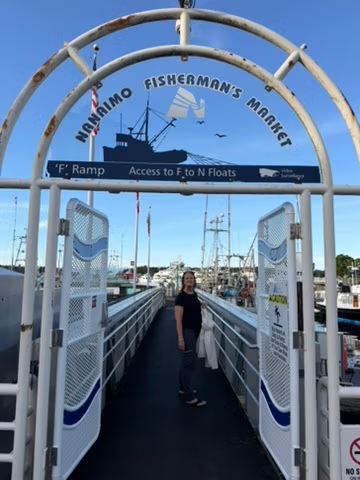
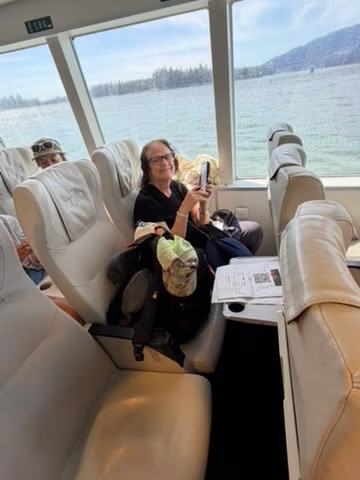
From there, our journey shifted north. On Saturday we flew to Vancouver, first landing in Vancouver and then hopping on the fast ferry across. Traveling with ten bags—including three packed with meat—made for some awkward maneuvering through terminals and onto the ferry, but we eventually made it to Nanaimo and checked into our hotel that afternoon. We rented a car and settled in for a couple of days. Our boat arrived on June 16th, but our load-off date was not scheduled until the 19th, around 9:00 in the morning, so we used that week to stock up on provisions and get everything ready for life aboard. In between errands, we ate our way through Nanaimo’s restaurants and even took a drive up to Campbell River—more on that adventure in a bit.

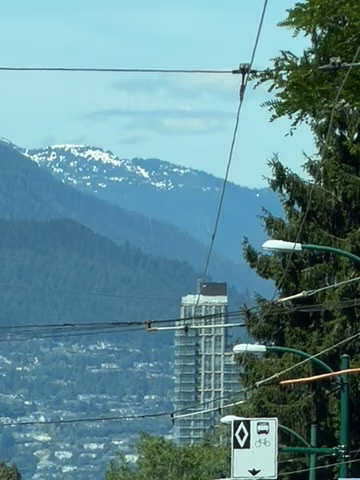
Vancouver, Canada
The Ferry took and hour and ten minutes to go 44 miles... way fast.
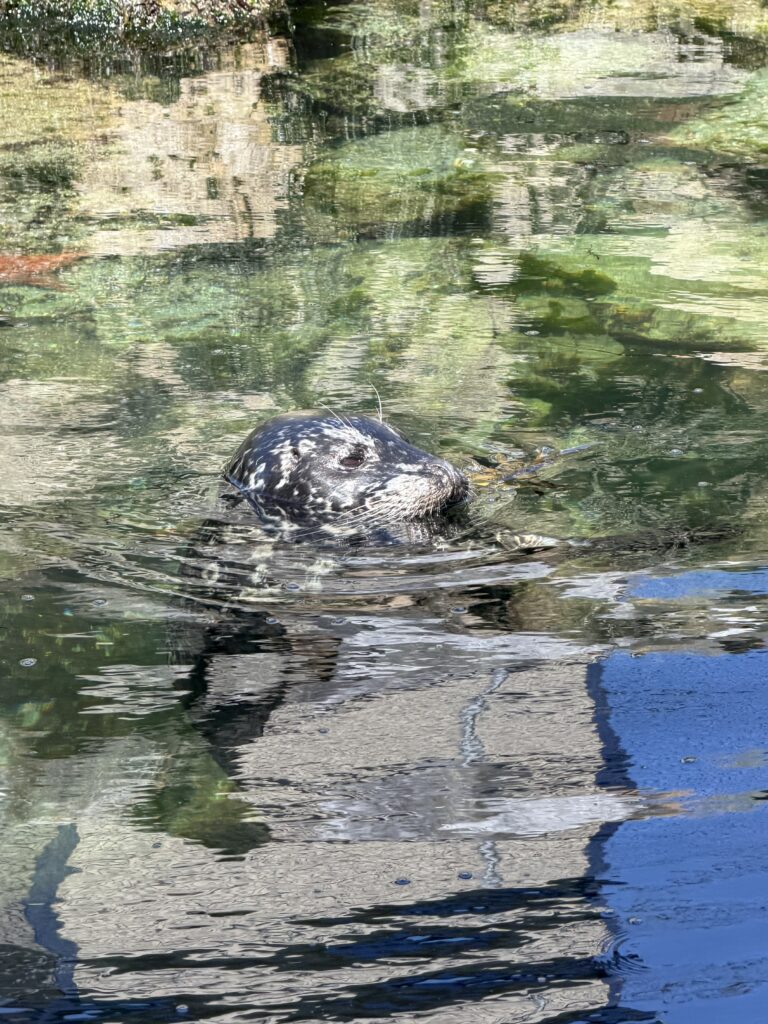
Seal at the harbor

Drive to Campbell River

Lunch...blue berry pie
IMG_3325
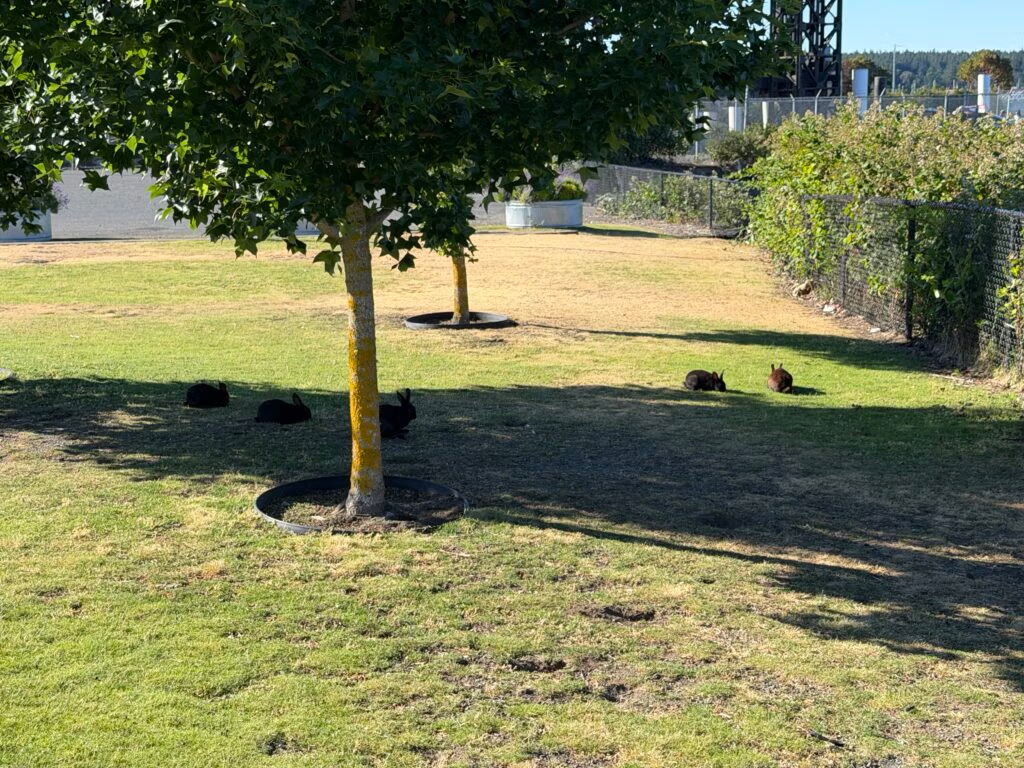
We are not sure what to make of it but Nanaimo had rabbits everywhere...
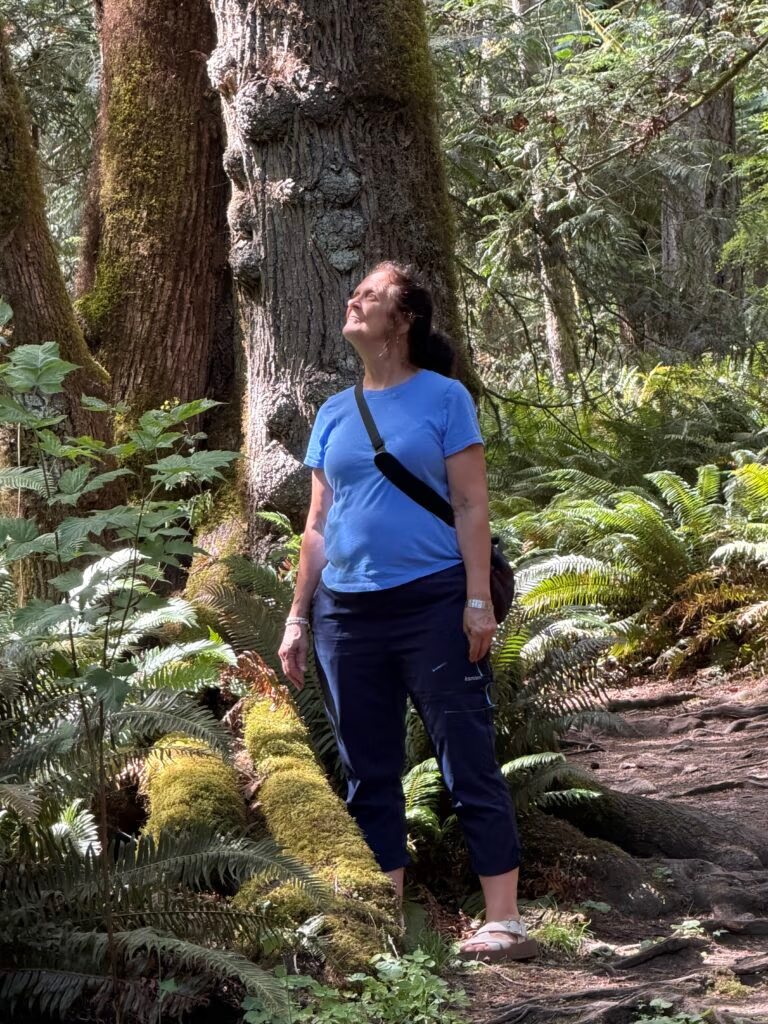
One day we took a walk-in the woods to the beach, so quite with all kinds of flora and fauna
In Nanaimo we were on a active runway

The Arrival
Jennifer and I rolled into Nanaimo on a Saturday 13 June, the air already thick with the kind of summer humidity that settles over the water and makes everything feel slower. We were a little jet lagged but it didn’t matter; we were waiting for the Hyundai Dubai to show up with our new life strapped to its deck.
We found a hotel near the waterfront, the kind with a small view of the harbor and a lobby that smelled faintly of coffee and old carpet. Then finally, on the 16th, the Hyundai Dubai broke the horizon and slipped into the terminal. Our boat was there, wrapped in tarps and lines, silent and still. 
It didn’t come off the ship until the morning of the 19th.
The Trips to Campbell River
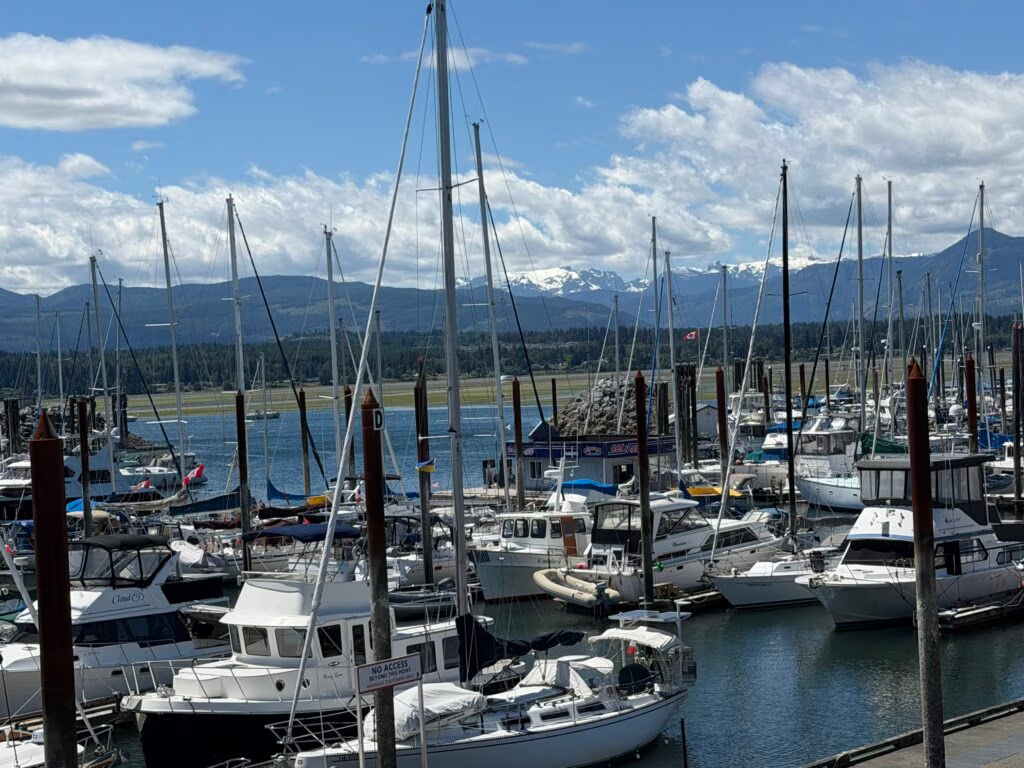
In the days between the boat’s arrival and its unloading, we took a trip up to Campbell River. The road was green and wet under the trees, the kind of drive that feels like moving through a different world. We stopped at all the marines and found an eclectic Resturant to eat lunch. 
We laughed about the sheer volume of “boat necessities” we were accumulating, but there was also a quiet thrill in it. Every item we bought felt like a promise: this is going to work out. This is going to be real.
The Morning We Met the Boat
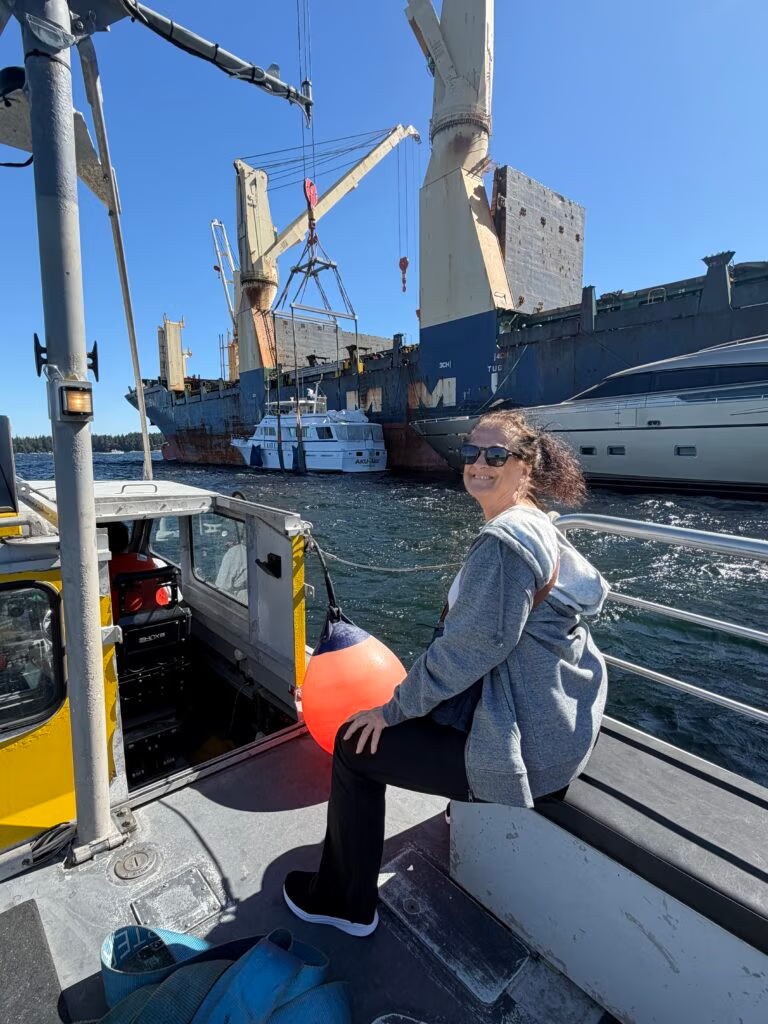
On the morning the boat was finally being unloaded, we were back at the Nanaimo dock, watching the crane swing and the ship’s crew move with that practiced, efficient energy. A small boat pulled up alongside us, its occupant shouting greetings and offering to take us out to see our new home.
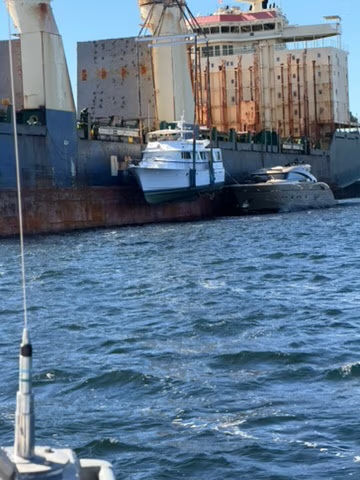
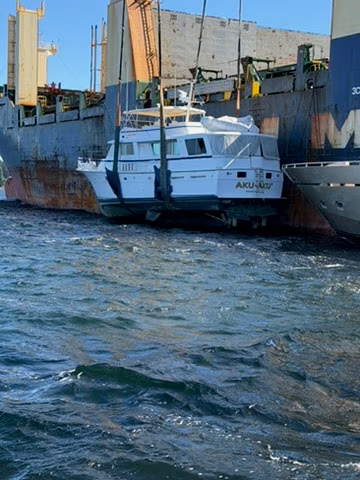
We climbed aboard, the little craft bobbing under our weight, and raced across the water toward the ship. Our boat was still tied to the Hyundai Dubai, half in the water and half in the process of being freed. It looked enormous from that distance, a wall of white and steel, and even closer, it still felt unreal.
We were told we had a limited window: get the boat running, get the switches on, get the engines turning, and then move it off the ship so the unloading crew could get back to work. Time was not our friend.
Dead Batteries and a Blocked  Departure
There was another boat there, a 116-footer that had already been unloaded and was now sitting dead in the water. Its batteries were dead, its systems silent, and it was blocking the only clear path the unloaders needed to get their equipment in and out. Our boat was right infant of it, and if we didn’t move, they couldn’t finish unloading the next yacht.
The pressure was immediate. The ship’s crew started calling to us, their voices carrying over the water, telling us to get going. One of them even threatened to tow us if we didn’t move.

We stepped onto the deck and into the hum of a world that was supposed to be alive but wasn’t. The generator started right up, a clean, steady sound that gave us our first real hope. We flipped the switches, one by one, watching the control panel light up. The port engine answered quickly, its diesel rumble shaking the floor beneath us. The starboard engine, though, was stubborn. It coughed, then stalled, then tried again, as if it couldn’t decide whether it wanted to be part of this.

Unloading Aku-Aku in Nanaimo, British Columbia, Canada


The 24-volt system was dead. No lights, no instruments, no radios. We were stuck with only the phones we had on hand to talk to the marina and the crew, shouting numbers and names through the thin signal, trying to coordinate a rescue that was mostly about us rescuing ourselves.

Getting Her Going
We worked the starboard engine until it finally caught, a long, grinding start that turned into a clean, rolling rumble. The vibration moved through the hull, through our boots, through the whole boat. It felt like the moment when a dream finally becomes physical.
With both engines running, the crew on the ship started breathing easier. They ushed us, telling us to move, to get out of the way, to not make them wait. We edged the boat away from the Hyundai Dubai, the water churning under the hull, the wind pressing against the deck like it was testing us.
We crossed about 300 meters to the dock, the distance short but the feeling of it huge. The wind caught us as we approached, pushing the stern, making the lines feel tight and unforgiving. We hooked the bow, then the stern, wrestling the boat into place, the kind of docking that leaves you with a knot in your chest and a grin on your face.
The First Real Moment
When we finally had her tied down, the crew on the ship backed off, satisfied. The marina people looked at us, maybe wondering how we’d managed to do it with a dead 24-volt system and a reluctant starboard engine. Jen and I stood on the deck, the water still moving under the hull, the boat humming with both engines, the switches on, the lights coming alive.
We had done it. We had moved the boat from the ship to the dock, with a little bit of difficulty in the wind, but we pulled it off. The boat was no longer a thing we were waiting for. It was ours.
And now, the real work began: getting everything up and going, learning the systems, making this big, beautiful piece of metal, fiberglass and wood into a home that could move across the water. But for that morning, we just stood there, letting the sound of the engines and the feel of the deck under our feet tell us that we were exactly where we were meant to be.

This was our temporary home for three days...
Our boat is between our heads

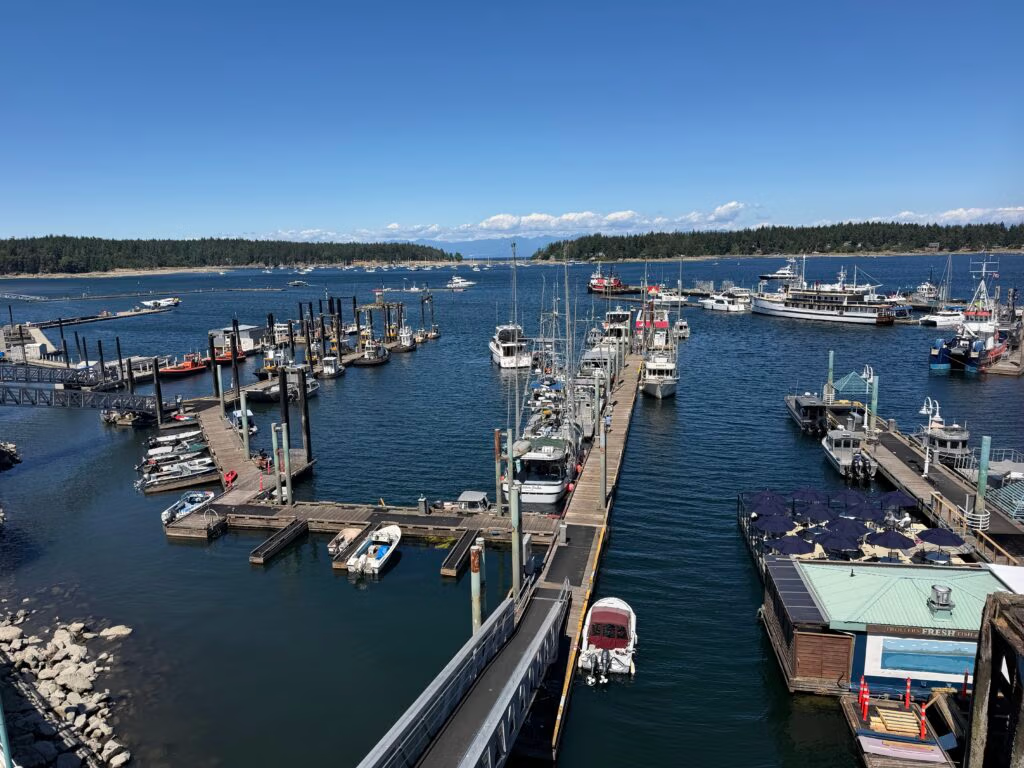
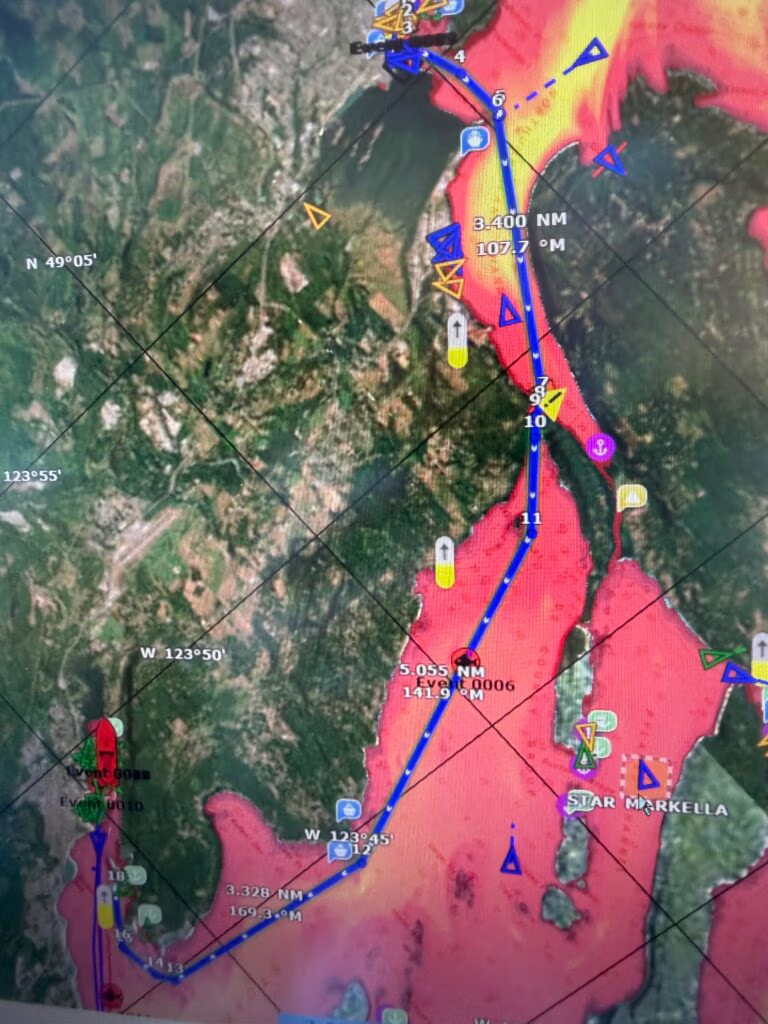
Moving from Nanaimo to Ladysmith BC, our next home... Manana Marina

Through Dodd Narrows: A First for Aku-Aku 

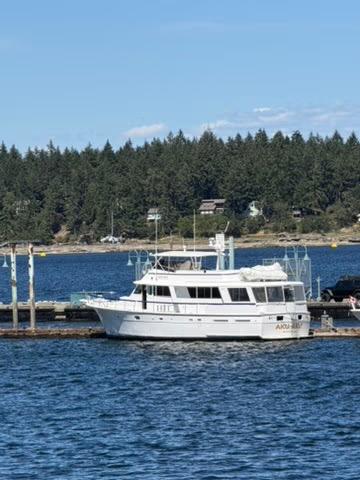
Some mornings on the water start ordinary and end up marking a milestone. Saturday, June 20, 2026 was one of those days. We cast off from Nanaimo, BC aboard Aku-Aku, our 64-foot Hatteras motoryacht, bound for Ladysmith and, along the way, for a passage we had heard about but never yet run or for that matter ever run any narrows: Dodd Narrows.
Dodd Narrows sits at the northwest end of Mudge Island, separating Mudge Island from Vancouver Island, about six miles southeast of Nanaimo and roughly 33 miles west-southwest of Vancouver. It is a short stretch of water, but a famous one among boaters in these waters — a narrow, current-swept channel where the tide can run as fast as 9 knots. Locals talk about it the way climbers talk about a first summit. You do not transit Dodd Narrows casually, and you certainly do not do it at the wrong time. For a couple who had never run any narrows passage before, it loomed large on the chart that morning, equal parts thrilling and intimidating.
We arrived early and did what every sensible boater does at Dodd Narrows: we waited. For about an hour we held position outside the entrance,  watching other boats thread their way, timing our approach against the clock. We had our eye on 2:30 in the afternoon, but slack tide that day actually fell closer to 2:55 PM. That gap felt like a small lesson in humility — the water keeps its own schedule, not ours. When the moment finally felt right, Jennifer keyed the VHF and made the call every vessel is supposed to make before entering: “Sécurité, Sécurité, Sécurité — 64-foot motor yacht making its way south through Dodd Narrows.” Hearing our own voice announce our passage into that channel made the whole thing suddenly, wonderfully real.
Then we were in it. The narrows drew in tight around us, the current still very much alive despite our careful timing, and Aku-Aku slashed side to side as the water pushed and pulled beneath her hull. It was not violent, but it was unmistakably a boat being tested against a current with a mind of its own, and our hands stayed firm on the helm the entire way through. It only lasted a few minutes, but those minutes stretched the way they do when you are fully, completely present. And then, just like that, the water opened up again and we were through — clean, steady, and completely unscathed.
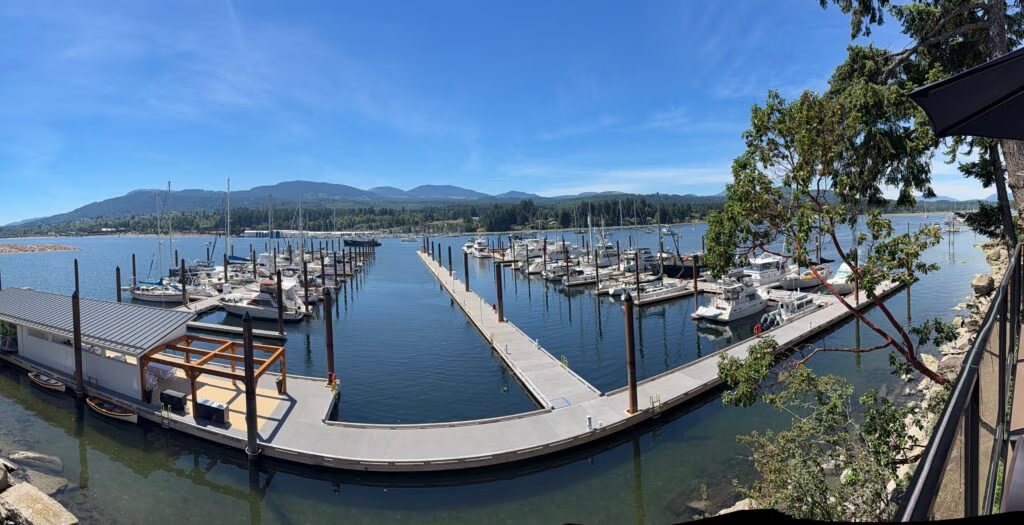
The relief and pride that followed are hard to overstate. We had heard Dodd Narrows called a rite of passage, and now we understood exactly why. We continued on to Ladysmith, where Aku-Aku now calls temporary moorage home, and the docking could not have gone more smoothly — a quiet, easy finish to a day that had asked a lot of us earlier. Ladysmith harbour welcomed us the way we had hoped it would: calm, protected, and genuinely beautiful, the kind of place that makes you understand immediately why boaters choose it as a home port.
 
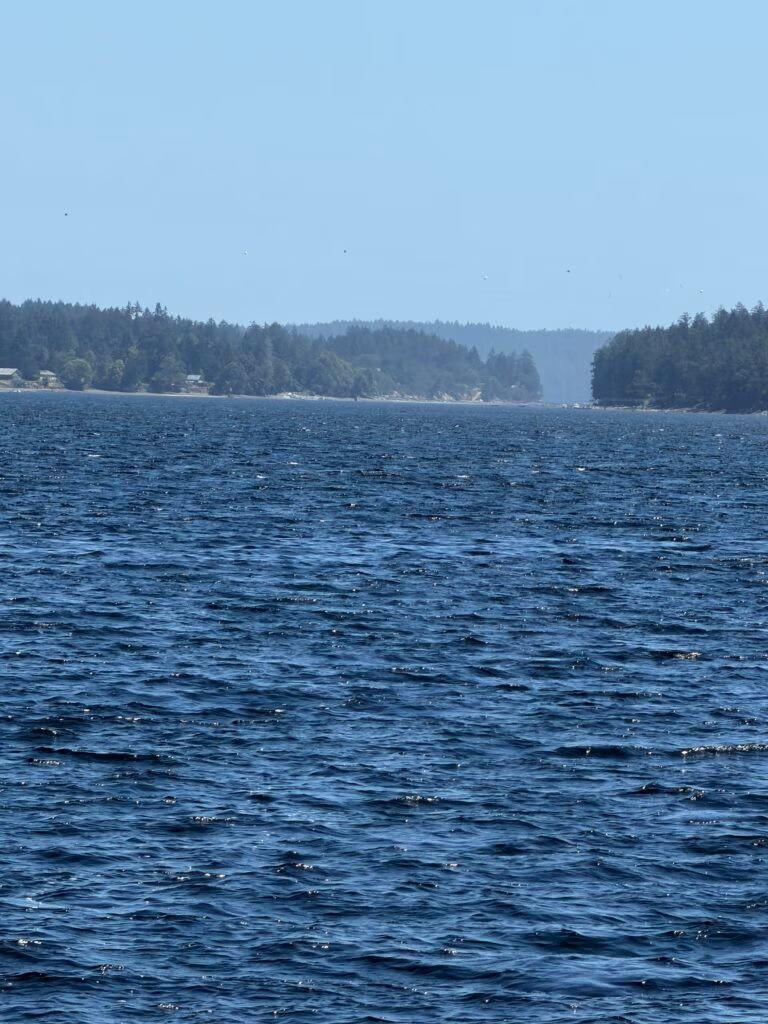
You can make out Dodds Narrows at the end of this picture

Looking back on it now, Dodd Narrows will always mark something for us — the day we stopped being narrows-shy and became the kind of boaters who plan the tide, make the call, and hold the wheel through the current with confidence. It was a great day all around, but what stays with us most is arriving in Ladysmith afterward, tying up at our new home port, and feeling that particular happiness that comes only after you have earned it.
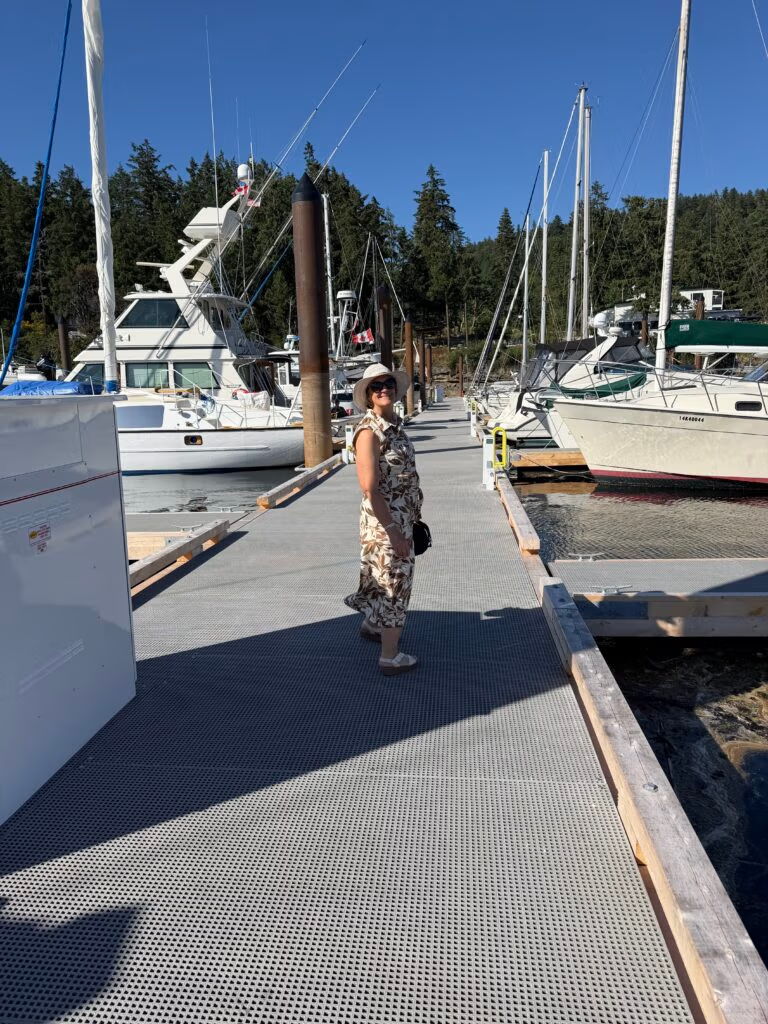
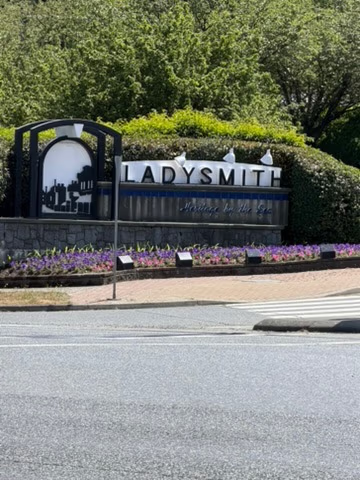
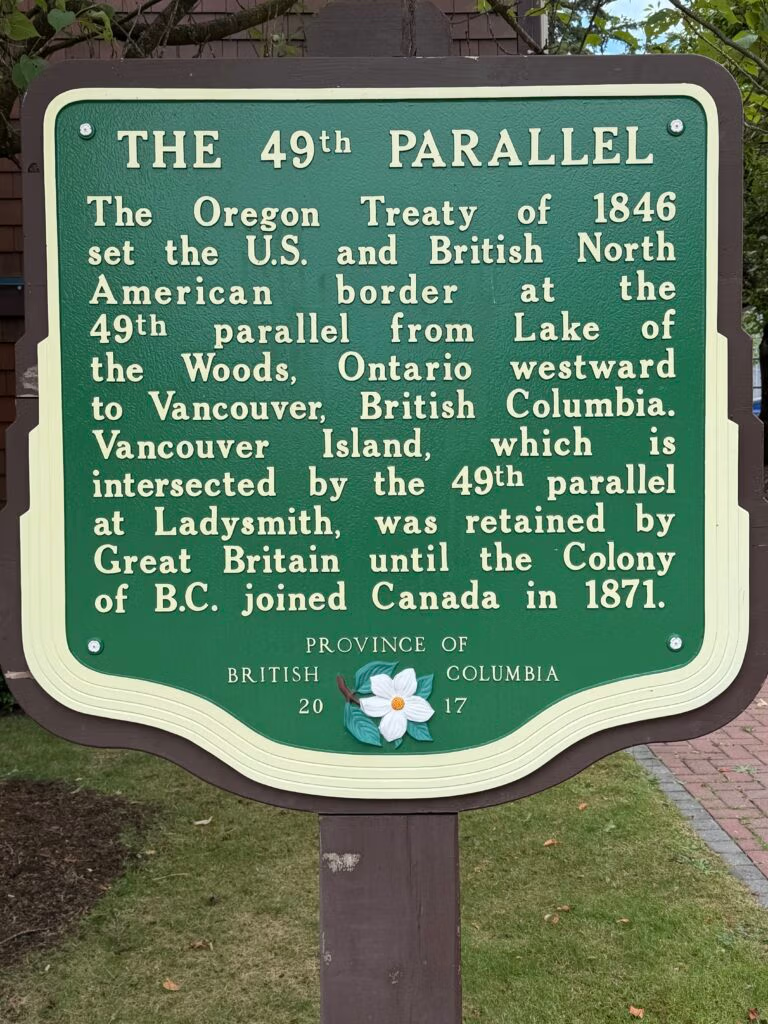
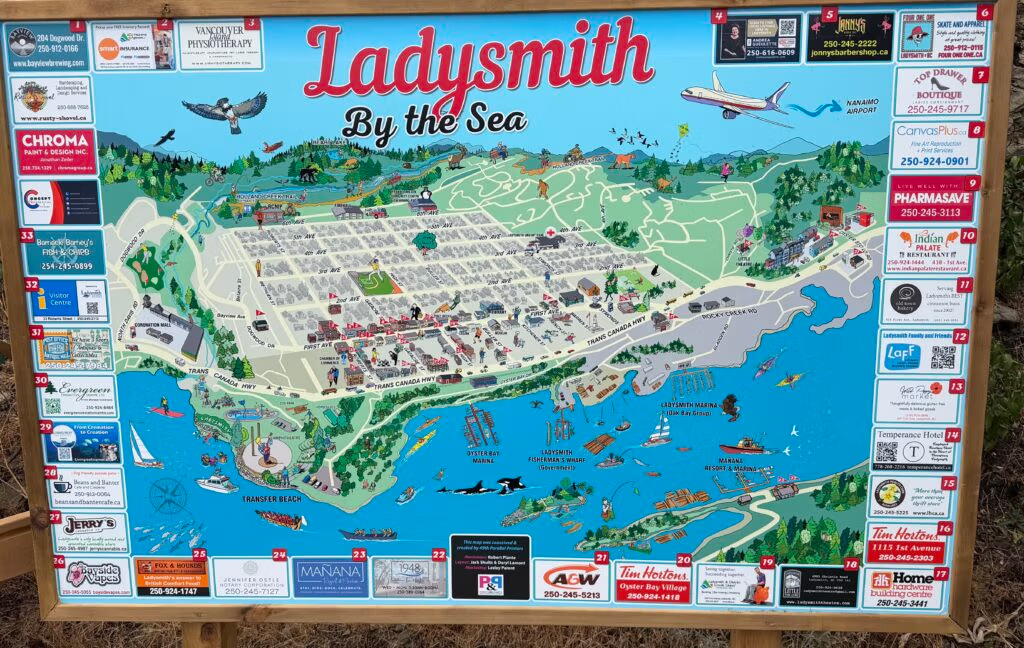
Ladysmith, British Columbia, Canada

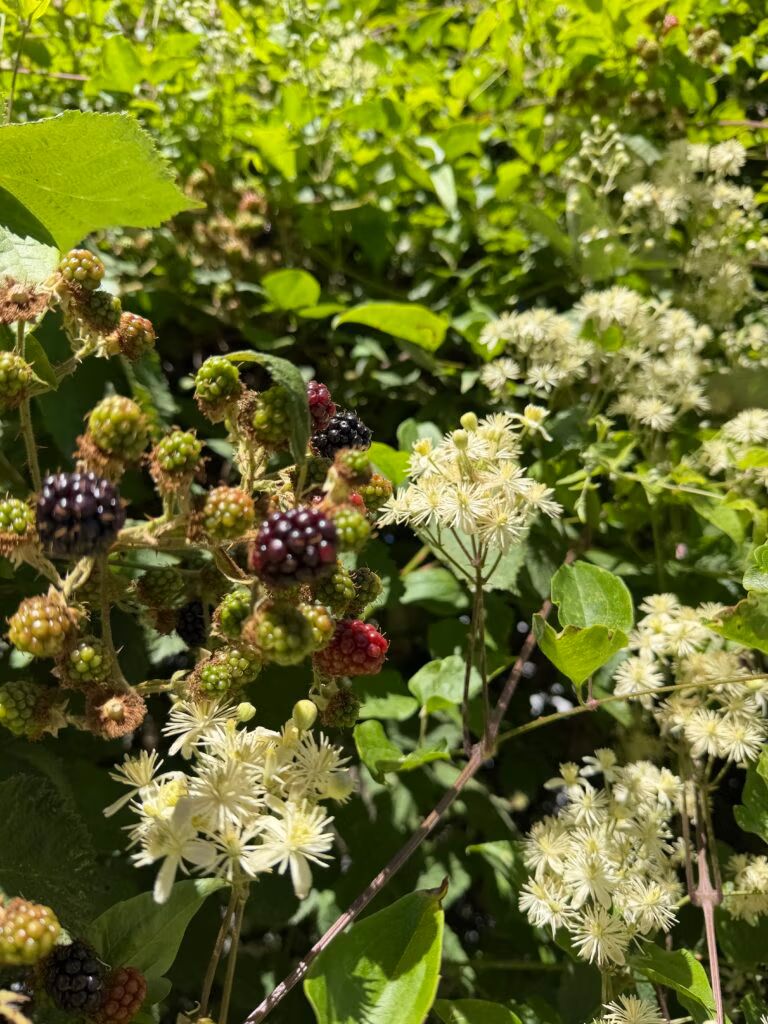
We got here just as the blackberries were starting to ripen.
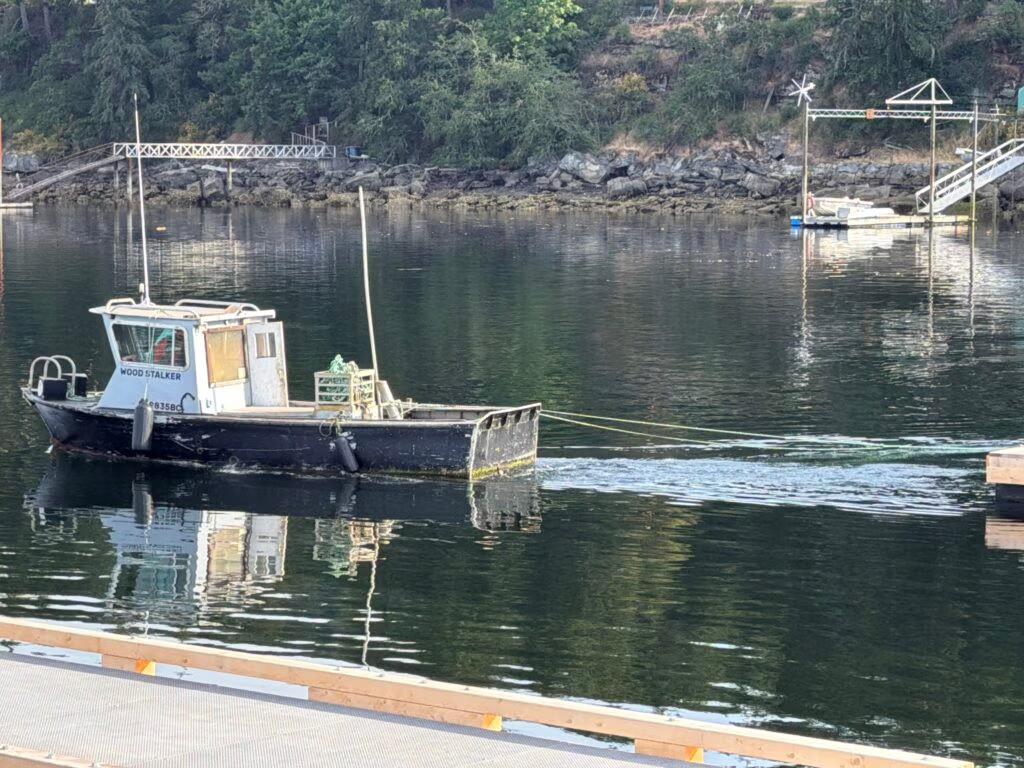
We see the Wood Stalker every morning removing logs that have floated into the Marina

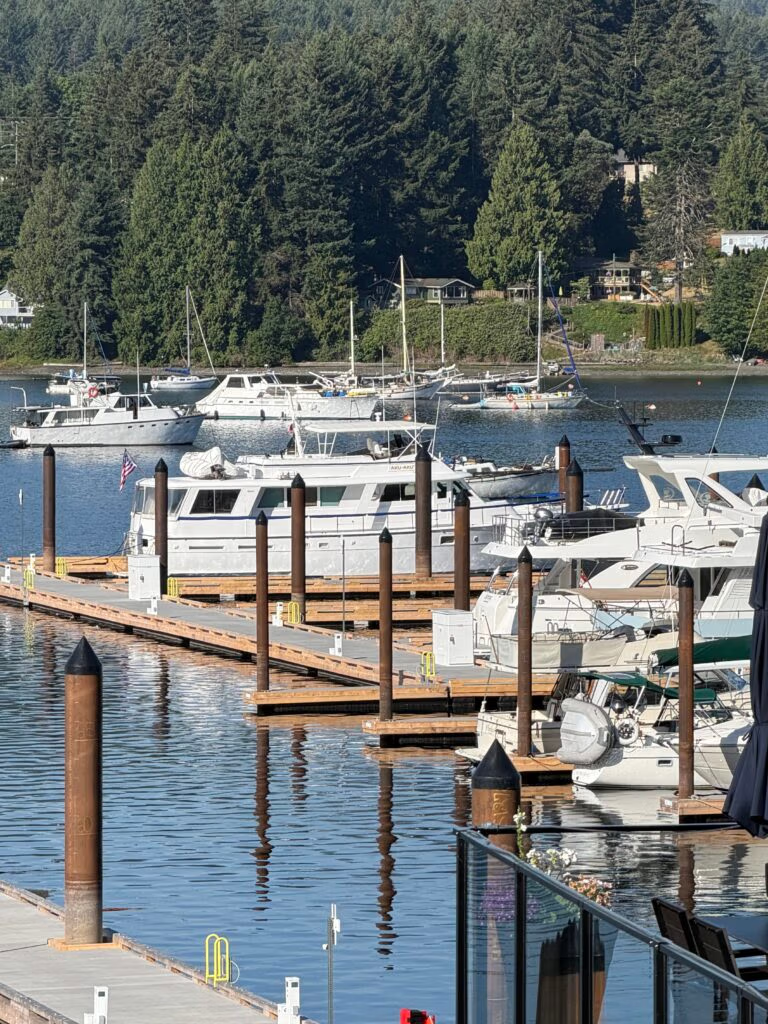
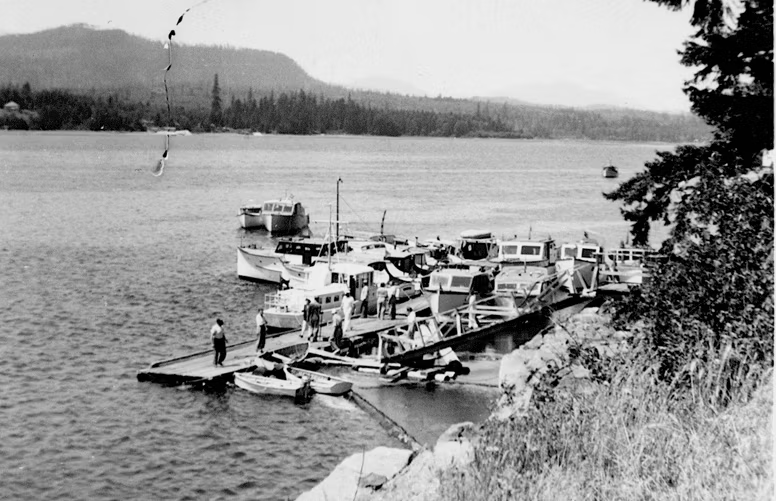
Manana Marina was established in 1948 by Harry and Zella Olmstead, Mañana Resort & Marina (originally Mañana Lodge) has been a fixture on Vancouver Island’s Ladysmith Harbour. Over the decades, it has operated under various names—including Page Point Inn and Raven Point Inn—before returning to its historic original name under a revitalized partnership.

Recent Developments: Under new ownership, the property was restored to its original Mañana moniker. It has since undergone an extensive revitalization, expanding its deep-water guest moorage (up to 1,100 linear feet) and opening the 1948 Bar & Bistro to honor the resort’s storied history


What to do at Ladysmith?

The first Marina 1950's
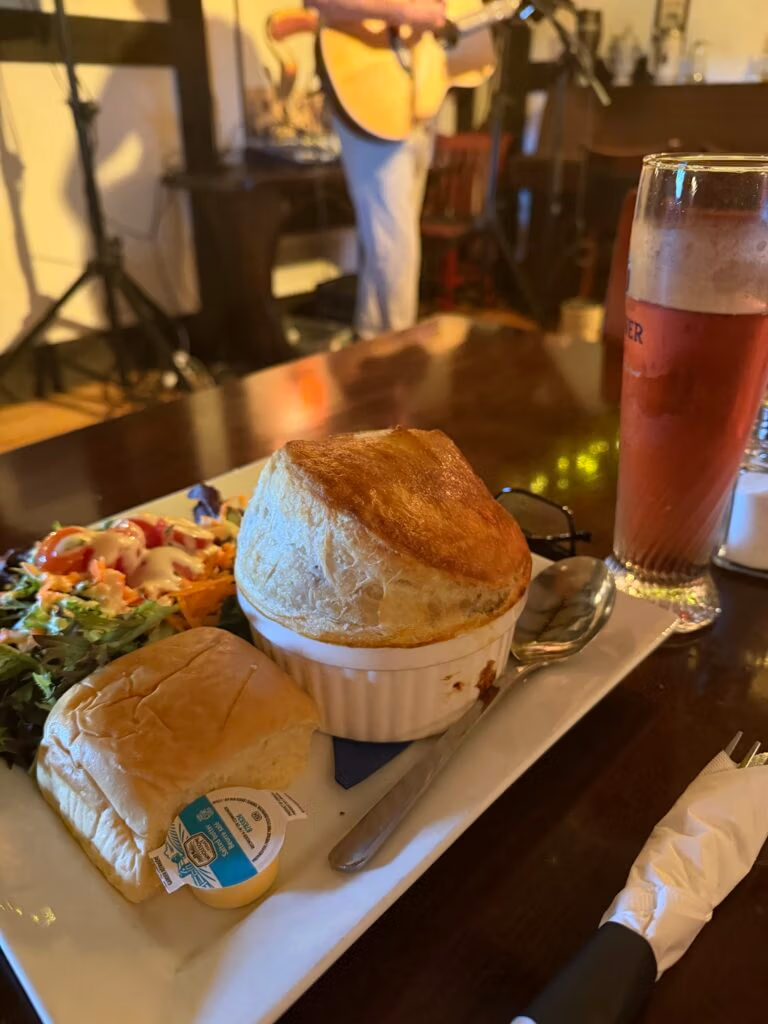
Steak Pie
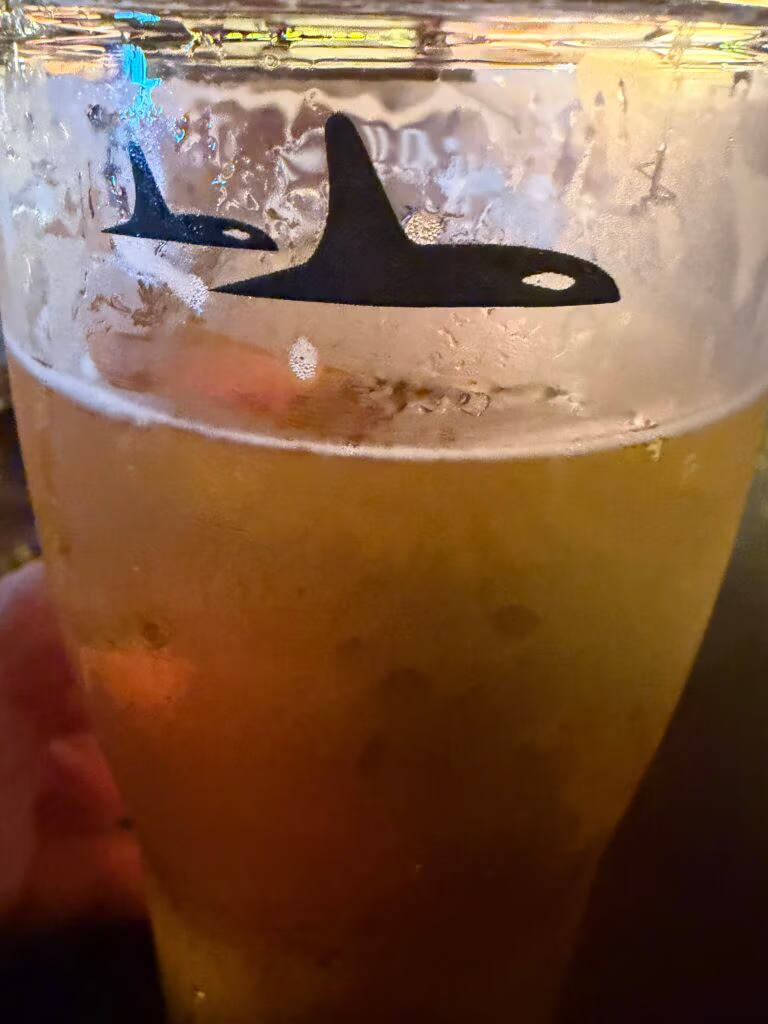
Local bar, Fox and Hounds...great food
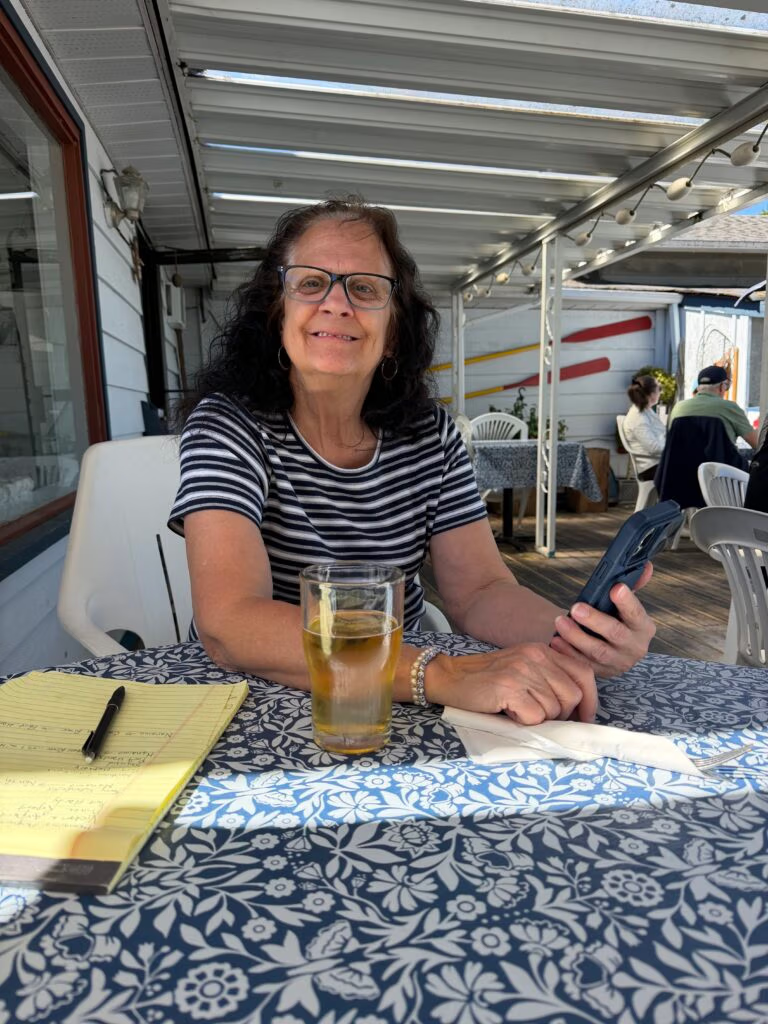
Good to the restaurant the first day...good food, and a pretty lady...
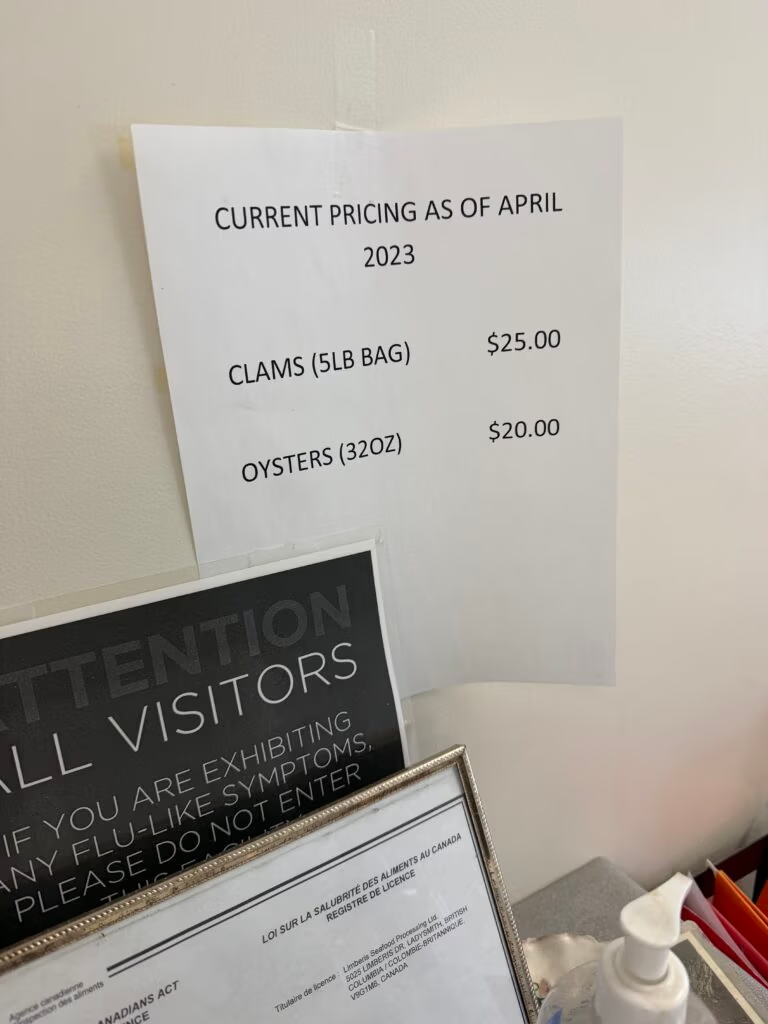
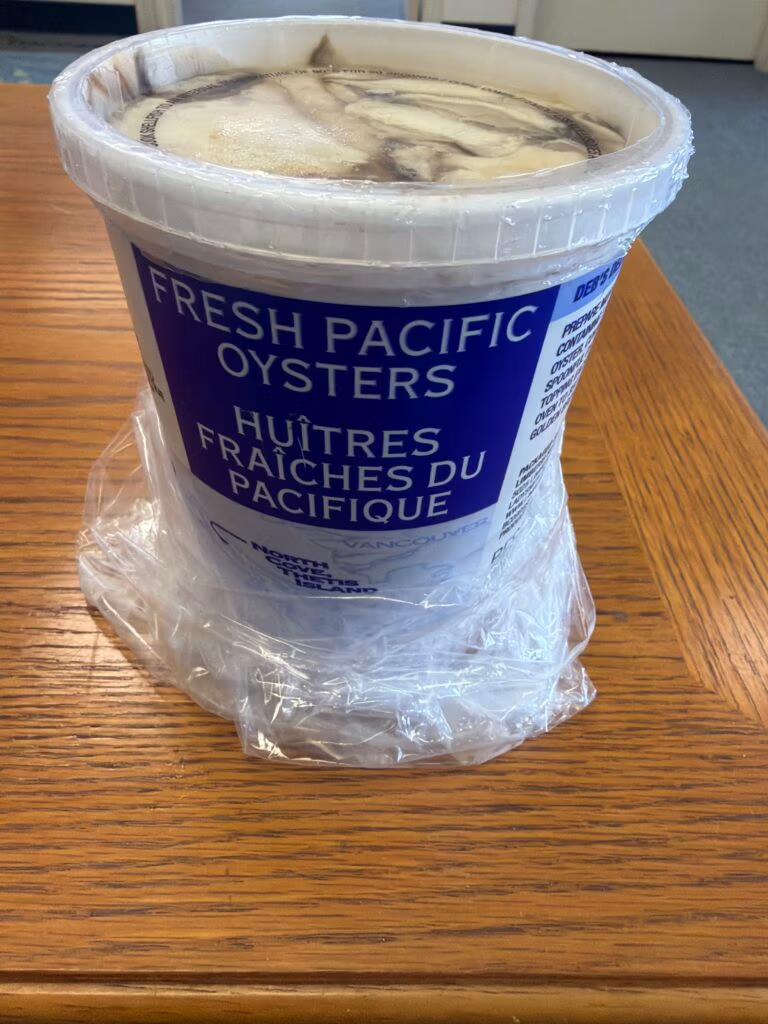
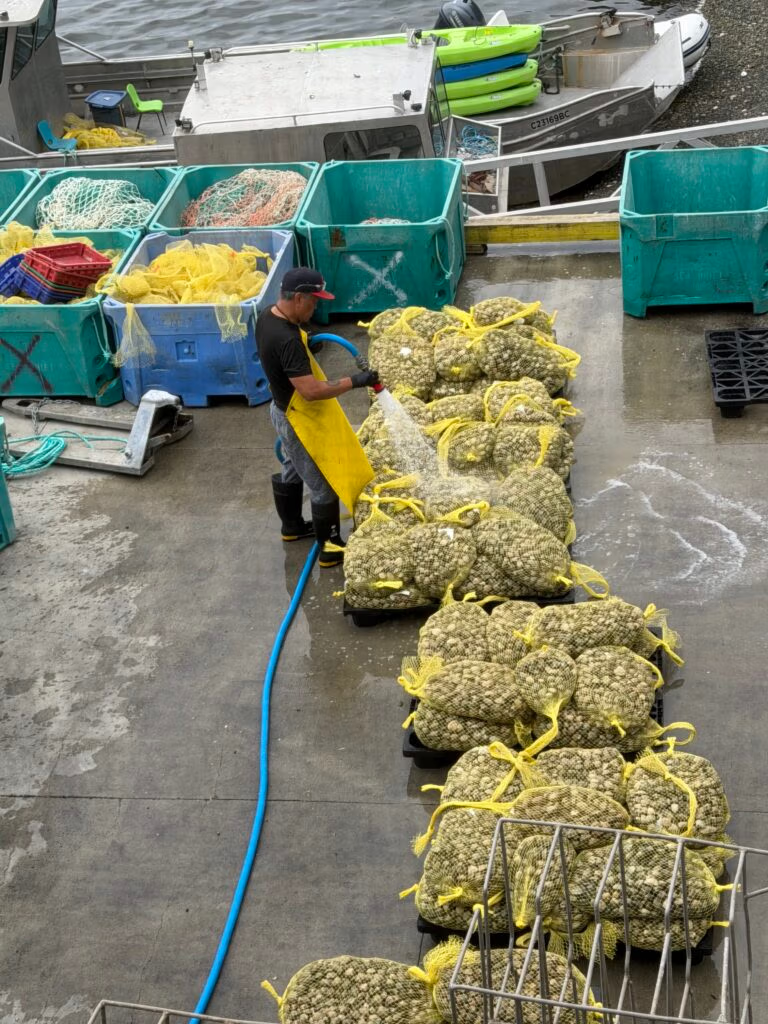
We have a place that is a short boat ride to the oyster connection...yes
Great prices... and fresh
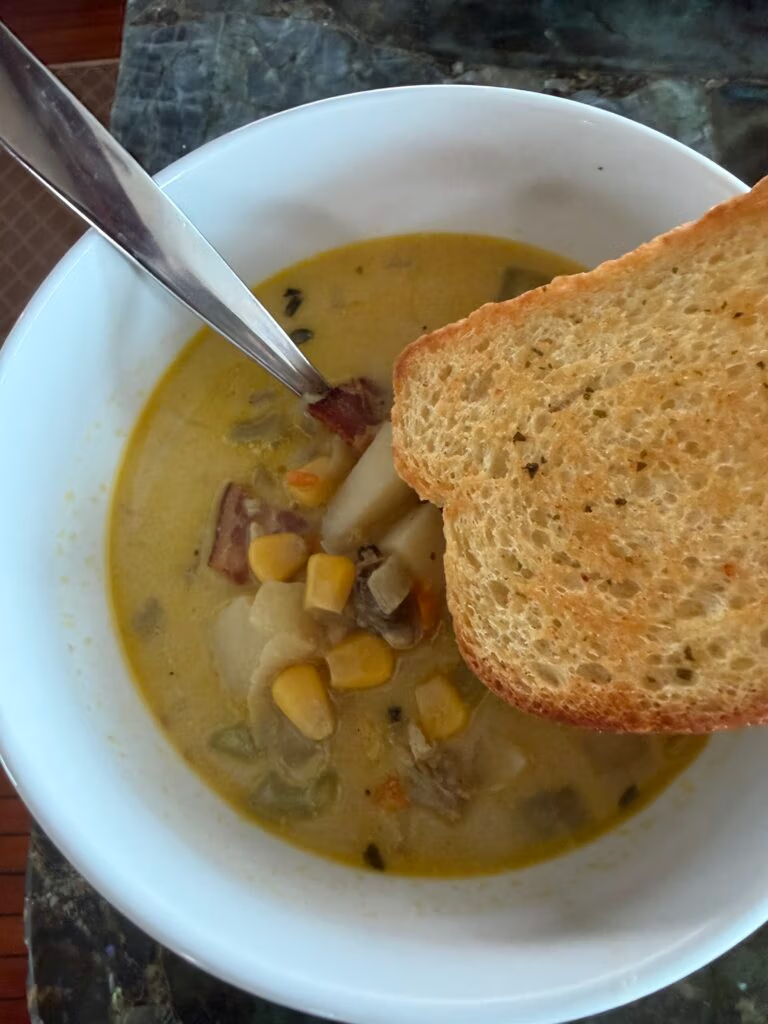
Jenn made a great oyster soup